IGTC conducted a series of focus group discussions involving 171 young people in the Philippines (ages 13–20), in January 2024, to understand the views, perceptions, and experiences of young Filipinos concerning e-cigarettes and vaping.
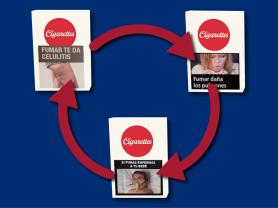
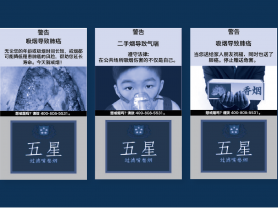
Health warning labels (HWLs) are highly effective in conveying the health risks associated with tobacco use, and regular rotation is essential for maintaining their relevance and impact. But what challenges might countries encounter on their path to HWL rotation implementation?
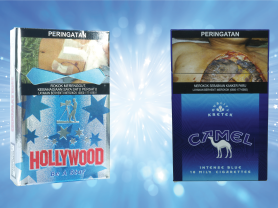
Using the TPackSS systematic protocol, cigarette and kretek packs were purchased across three cities in Indonesia (Jakarta, Medan, and Surabaya) during September 2022.
This report provides an overview of the projected impacts of a policy that bans or restricts the use of flavors in tobacco products as well as evidence-based policy recommendations for maximizing public health benefits and minimizing unintended consequences.
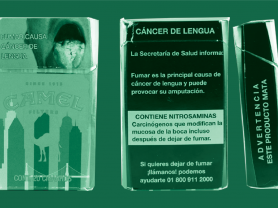
Health warning labels (HWLs) can help diminish the appeal of of packaging and communicate risked from tobacco use. In November 2018, 15 focus group discussion were conducted in Mexico City, Mexico to examine the ways in which cigarette packs appeal to adolescents and young adults and h
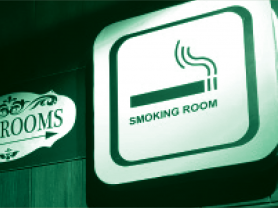
In 2008, India banned smoking in many public places and workplaces including healthcare settings, educational institutes, and government facilities. A provision in the Cigarettes and Other Tobacco Products Act (COTPA) permits Designated Smoking Rooms (DSRs) in hotels (having 30 or more rooms
In a 2016 study, our team found that pictorial health warning labels (HWLs) with messages about smokers harming others were more effective than messages about smokers harming themselves.
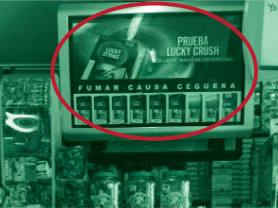
IGTC partnered with the Campaign for Tobacco-Free Kids (CTFK) and the Comisión Nacional Permanente de Lucha Antitabáquica (COLAT), a network of tobacco control advocacy organizations in Peru, to conduct a follow-up study of tobacco product availability and advertising at the point-of-sale (POS).