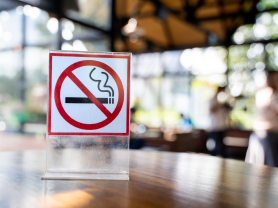
A 2013 law prohibits smoking in public places in Vietnam. This includes restaurants, hotels, and hospitals. Requirements include the posting of no smoking signs in places where smoking is not allowed and the enforcement of specific prohibitions.
Policies to increase the price of cigarettes, increase the size of graphic health warning labels, require cigarettes be sold in plain packaging without branding, and ban flavored cigarettes have the potential to support adults who smoke and want to quit.
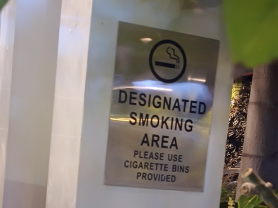
The Smoking and Using of Tobacco Products (Control) Act of 2003 (SUTPA) in Bangladesh restricts location of designated smoking areas (DSAs) in public buildings including hospitality venues, and public transportation.
In 2008, Turkey passed a law banning smoking in all indoor public places, including bars, cafés, and restaurants. Compliance studies in 2012 and 2016 showed that secondhand smoke remained a serious burden for Turkey’s public health.
IGTC partnered with The International Union Against Tuberculosis and Lung Disease (The Union) to assess compliance with smoke-free policies and point-of-sale policies across priority jurisdictions in India, Indonesia, and Pakistan.
This report provides an overview of the projected impacts of a policy that bans or restricts the use of flavors in tobacco products as well as evidence-based policy recommendations for maximizing public health benefits and minimizing unintended consequences.
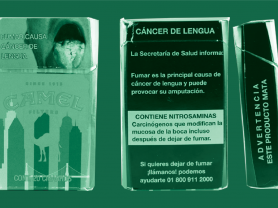
Health warning labels (HWLs) can help diminish the appeal of of packaging and communicate risked from tobacco use. In November 2018, 15 focus group discussion were conducted in Mexico City, Mexico to examine the ways in which cigarette packs appeal to adolescents and young adults and h
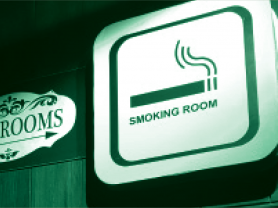
In 2008, India banned smoking in many public places and workplaces including healthcare settings, educational institutes, and government facilities. A provision in the Cigarettes and Other Tobacco Products Act (COTPA) permits Designated Smoking Rooms (DSRs) in hotels (having 30 or more rooms